
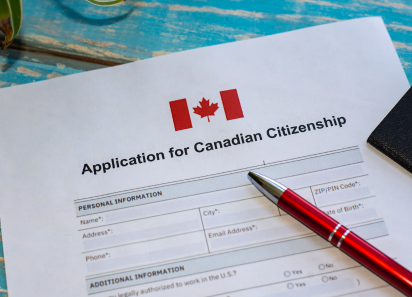
Canada prioritizes temporary workers, Canadian work experience and regional settlement as permanent residence pathways evolve. New Jain Immigration Services explains what Indian applicants should know about permanent residence, immigration applications and Canadian citizenship.
Canada’s immigration system is undergoing significant changes in 2026, creating new opportunities for some temporary workers while making the pathway to permanent residence more selective. For Indians hoping to settle in Canada, understanding the latest immigration measures, eligibility requirements and application procedures is becoming increasingly important.
The federal government’s focus is shifting towards people who are already contributing to the Canadian economy, particularly workers in essential industries, skilled professionals and individuals living in smaller communities.
According to the reported In-Canada Workers Initiative, Canada intends to transition up to 33,000 temporary workers to permanent residence during 2026 and 2027. Alongside this initiative, Express Entry category-based selection and provincial immigration programmes continue to influence the options available to eligible applicants.
For Indian nationals planning to move to Canada or those already working there, these developments highlight the importance of choosing an appropriate immigration pathway and preparing accurate documentation.
New Jain Immigration Services provides information for individuals exploring Canadian immigration options, permanent residence and citizenship procedures.
1. In-Canada Workers Initiative: An Opportunity for Temporary Workers
One of the major measures highlighted in the 2026 immigration announcements is the In-Canada Workers Initiative, which aims to accelerate the transition of up to 33,000 temporary workers to permanent residence over two years.
The initiative focuses on eligible workers who have already established themselves in Canada, particularly those living and working in smaller communities and contributing to industries experiencing labour shortages.
The reported priority areas include:
- Agriculture and food production
- Transportation and trucking
- Healthcare and caregiving
- Skilled trades
- Other occupations and regional programmes covered by the applicable measures
For Indian workers employed in these sectors, the initiative may be relevant if they meet the requirements of a qualifying immigration programme.
However, it is important to understand that an accelerated processing initiative is not necessarily a new immigration stream. Eligibility depends on the specific programme, existing application status and applicable government criteria.
Temporary workers should therefore review their current immigration status and determine whether their existing permanent residence application falls within the relevant measures.
2. Canadian Work Experience Is Becoming More Important
Canadian work experience can play an important role in several permanent residence pathways. Express Entry manages applications for eligible federal economic immigration programmes, while provincial nominee programmes allow participating provinces and territories to nominate candidates who meet their regional selection criteria.
Canada’s category-based selection system also allows invitations to be issued to candidates who meet the requirements of designated categories.
Depending on current selection priorities, relevant categories may include healthcare and social services, trades, education, French-language proficiency and certain other occupational groups.
Indian professionals already working in Canada should assess their eligibility based on factors such as:
- Skilled work experience
- Educational qualifications
- English or French language proficiency
- Comprehensive Ranking System (CRS) score
- Occupational category and work history
- Provincial nomination eligibility
Meeting a category’s occupational requirements does not automatically guarantee an invitation. Candidates must also satisfy the applicable programme criteria and any requirements specified in the relevant invitation round.
3. Ontario Immigration Changes Could Benefit Higher-Earning Workers
Ontario has introduced changes to its Workforce Priority Stream scoring system, including additional points for eligible candidates whose earnings meet the specified threshold.
Under the reported update, candidates earning at least C$80,000 in a qualifying year can receive 10 points under the earnings-history factor, subject to the programme’s applicable rules and verification requirements.
Other factors may also influence a candidate’s ranking, including occupation, work experience, education, language proficiency and the location of employment.
Regionalisation points may provide an advantage to eligible candidates working outside the Greater Toronto Area, depending on the location and applicable scoring criteria.
For Indian professionals employed in Ontario, understanding the provincial selection system is important before making decisions about employment, settlement or a permanent residence application.
A higher score can improve a candidate’s ranking, but it does not guarantee an invitation or permanent residence.
4. Who Could Benefit From Canada’s Changing PR Priorities?
The impact of Canada’s evolving immigration policies will differ according to an applicant’s occupation, location, qualifications and immigration status.
Temporary workers in smaller communities: Workers who have established themselves in eligible rural or regional communities and have applications under qualifying programmes may benefit from applicable processing initiatives.
Healthcare professionals and caregivers: Qualified individuals may explore relevant economic immigration or provincial pathways, depending on their credentials, experience and current eligibility requirements.
Truck drivers and tradespeople: Workers should verify whether their occupation qualifies under the specific programme or selection category available to them. Working in an industry facing shortages does not, by itself, establish eligibility for permanent residence.
Higher-earning professionals in Ontario: Eligible workers may benefit from revised provincial scoring factors if their employment, earnings and other qualifications satisfy the relevant rules.
International graduates and other temporary residents: These applicants should carefully assess their options rather than assume that studying or working in Canada will automatically lead to permanent residence.
The most suitable pathway depends on the individual applicant. Immigration rules, selection priorities and application procedures can change, so applicants should rely on current official information.
5. Canadian Immigration Applications: Why Accuracy Matters
Applying for Canadian immigration can involve several stages, including determining eligibility, gathering supporting documents, completing forms and submitting an application through the appropriate government system.
Applicants should ensure that their employment records, educational documents, language test results and personal information are accurate and consistent.
People researching a Canada immigration application or a Canada immigration online application should first identify the specific programme they intend to apply under. Different pathways have different requirements, and not every application can be submitted through the same process.
The Government of Canada’s official immigration website provides information about programme eligibility, application instructions, fees and processing procedures.
Applicants should be cautious about websites or service providers that promise guaranteed permanent residence, guaranteed invitations or special access to government decisions.
6. From Permanent Residence to Canadian Citizenship
For many Indian nationals who successfully become permanent residents, Canadian citizenship may eventually become a long-term goal.
Permanent residence and citizenship are separate legal statuses. Becoming a permanent resident does not automatically make someone eligible for citizenship, and applicants must meet the applicable requirements before applying.
Individuals researching Citizenship and Immigration Canada should use the current Immigration, Refugees and Citizenship Canada (IRCC) website for official citizenship information and application instructions.
Before submitting a Canada citizenship application, applicants should review the requirements applicable to their circumstances, which may include:
- Permanent resident status and compliance with applicable conditions
- Physical presence in Canada for the required period
- Income tax filing requirements, where applicable
- Language proficiency requirements for applicants to whom they apply
- Knowledge of Canada’s history, values, institutions and rights
- Any applicable prohibitions or additional requirements
Applicants should calculate their physical presence carefully and use the official government guidance to determine whether they qualify.
7. Canada Citizenship Requirements and the Application Process
People planning to apply for citizenship should confirm that they satisfy the current requirements before submitting their documents.
A Canadian citizenship application generally involves completing the appropriate application form, providing supporting documents, paying the applicable fee and following the instructions issued by IRCC.
Depending on the applicant’s age and circumstances, the process may also include a citizenship test, an interview or other required steps.
Applicants searching for a Canada application or information about how to apply for Canada should distinguish between applications for visitor visas, study permits, work permits, permanent residence and citizenship. Each has a different purpose and eligibility framework.
The official Canada government immigration website is the appropriate starting point for checking requirements and accessing authorized application services.
8. Preparing for the Canadian Citizenship Test
Eligible citizenship applicants may need to demonstrate knowledge of Canada as part of the citizenship process.
The Canadian citizenship test covers topics such as Canadian history, geography, government, laws, national symbols, rights and responsibilities. Applicants should prepare using the official Discover Canada: The Rights and Responsibilities of Citizenship study guide.
People looking for citizenship test practice or Canadian citizenship test practice can use practice questions to assess their understanding and identify topics that need further study.
Practice tests are useful preparation tools, but they do not replace the official study guide or guarantee that an applicant will pass the actual test.
Applicants should also check current test instructions, eligibility rules and the format specified by IRCC before beginning their preparation.
9. How New Jain Immigration Services Can Support Your Immigration Journey
New Jain Immigration Services can be a point of contact for individuals seeking information about Canadian immigration pathways, permanent residence and citizenship procedures.
Whether you are an Indian professional exploring employment-based immigration, a temporary worker reviewing your permanent residence options or an eligible permanent resident preparing for citizenship, understanding the applicable requirements is an important first step.
Before proceeding, applicants should clarify their goals, review official eligibility criteria and ensure that their documentation is complete and accurate.
Anyone engaging an immigration representative should independently verify that person’s authorization to provide immigration advice or representation. Canadian immigration consultants who are regulated consultants should be verifiable through the College of Immigration and Citizenship Consultants (CICC), as applicable.
No consultant can guarantee a permanent residence approval, an invitation to apply or a successful citizenship outcome.
Conclusion: Plan Your Canada Immigration and Citizenship Journey Carefully
Canada’s evolving immigration priorities are creating different opportunities for temporary workers, skilled professionals and individuals who have already established themselves in the country. Regional settlement, relevant Canadian work experience and eligibility under specific immigration programmes can all influence a person’s options.
For Indian applicants, the key is to understand which pathway fits their circumstances instead of relying on general announcements or assuming that an occupation, salary or period of Canadian residence guarantees permanent residence.
Those who are already permanent residents can also begin preparing for the next stage by reviewing the applicable Canada citizenship requirements, maintaining accurate records and learning about the Canadian citizenship application process.
New Jain Immigration Services encourages applicants to remain informed, consult official government resources and seek appropriately authorized professional guidance when necessary. Careful preparation can help individuals make informed decisions about their immigration plans and future in Canada.
Important notice: Immigration and citizenship requirements can change. This article provides general information and is not a guarantee of eligibility or an application outcome. Always verify the latest requirements through official Government of Canada and IRCC resources.